
“Many of you have been robbed of your property, incarcerated, chased, murdered, and hunted like wild beasts, because your labor was fruitful and because your industry excited the vile avarice (greed) which led them. A voice infernal (of hell) said, from the bottom of their soul, ‘Kill them; the greater will be our gain!”
– Juan N. Cortina de Cavazos, Esparza Sisters Great Uncle
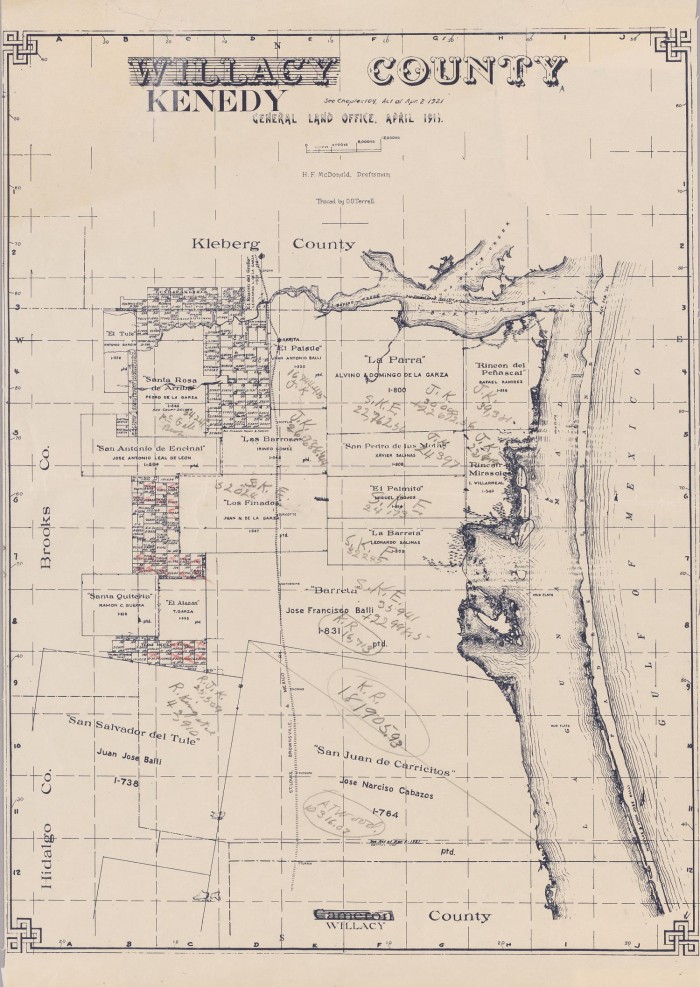
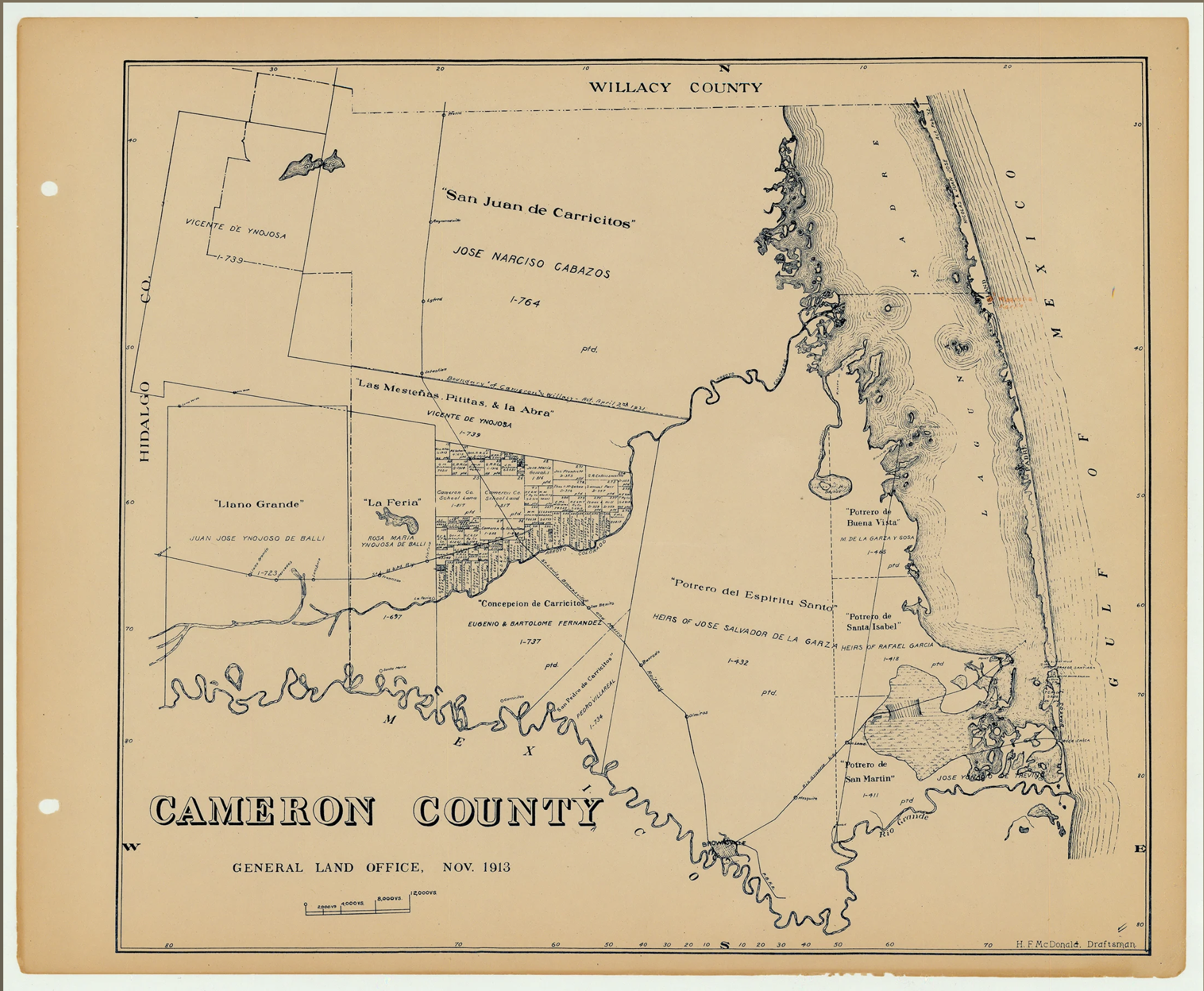
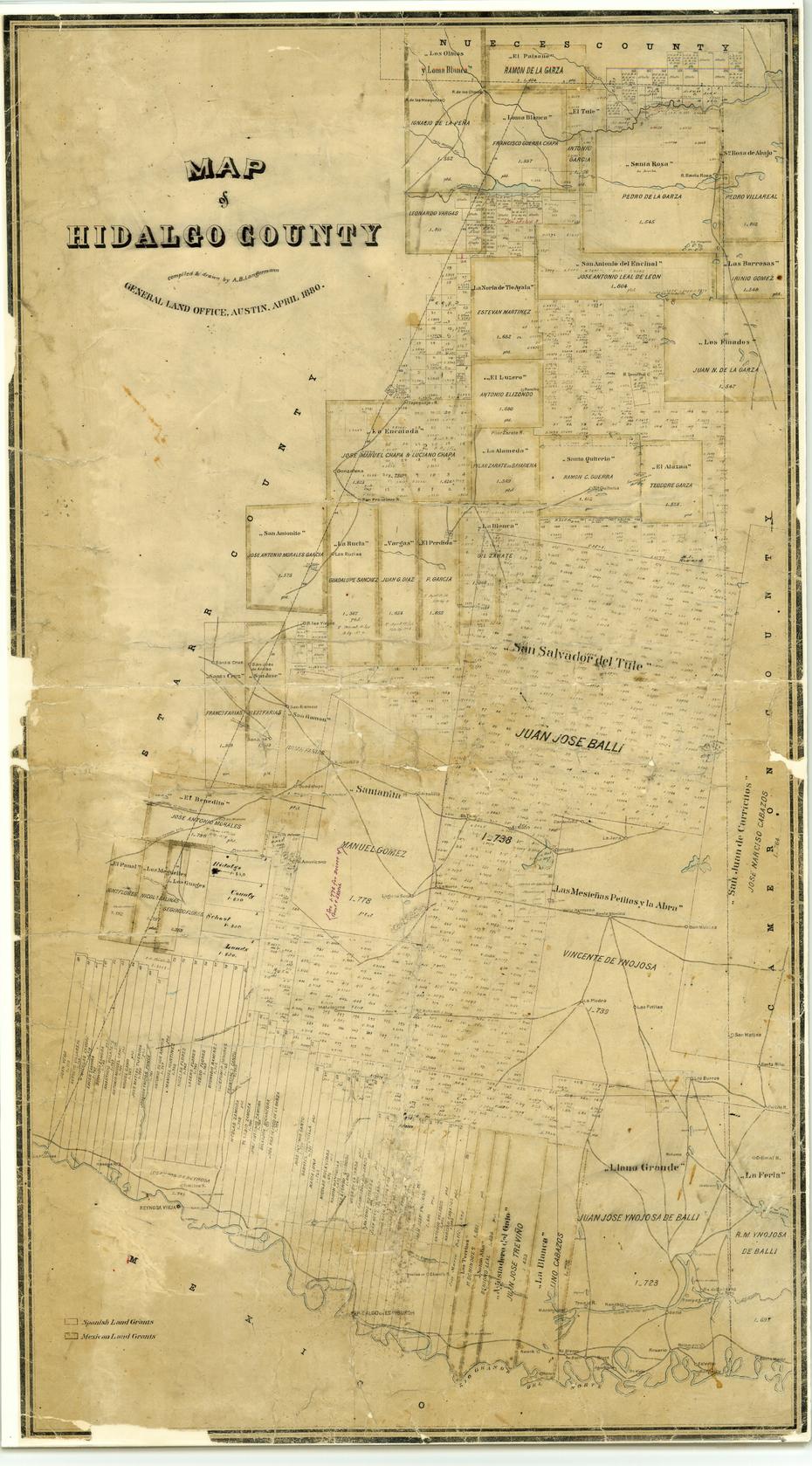
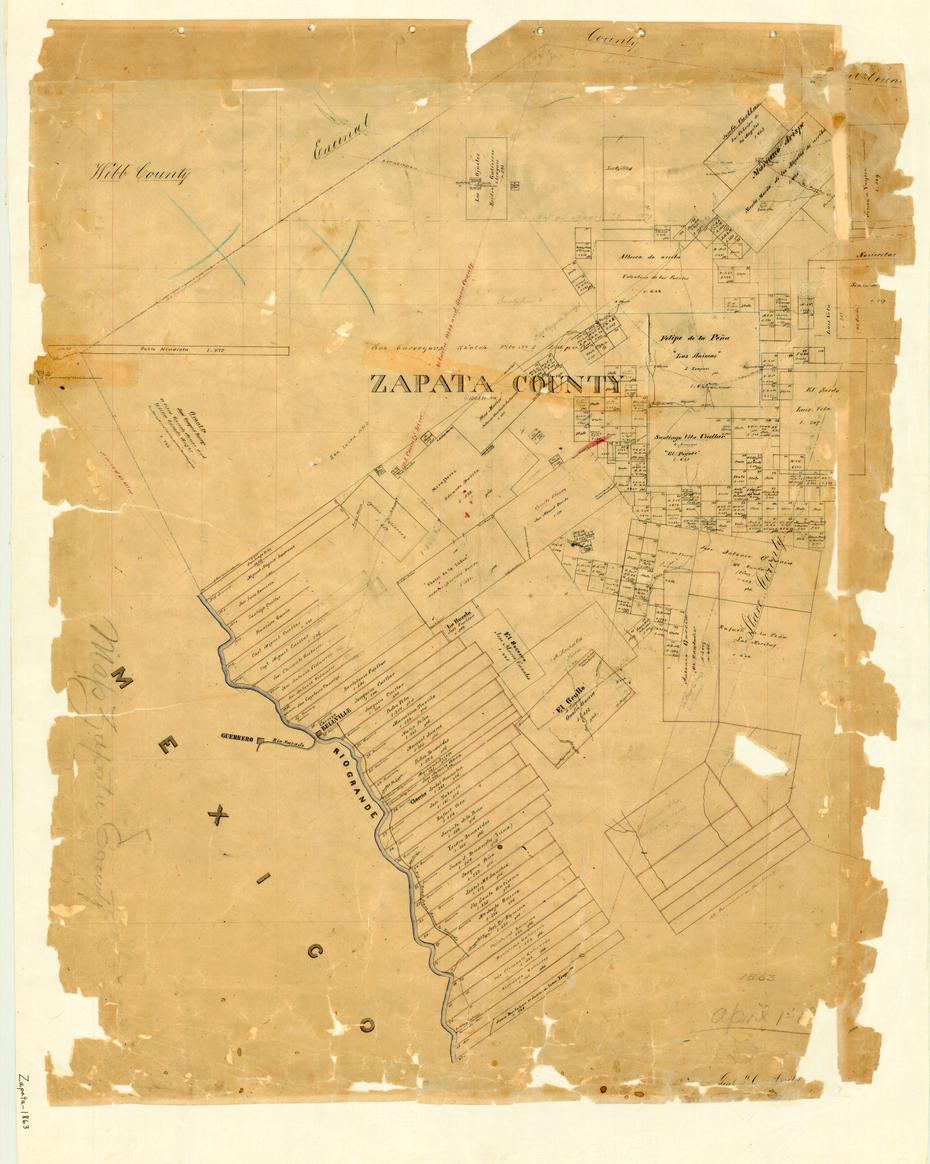
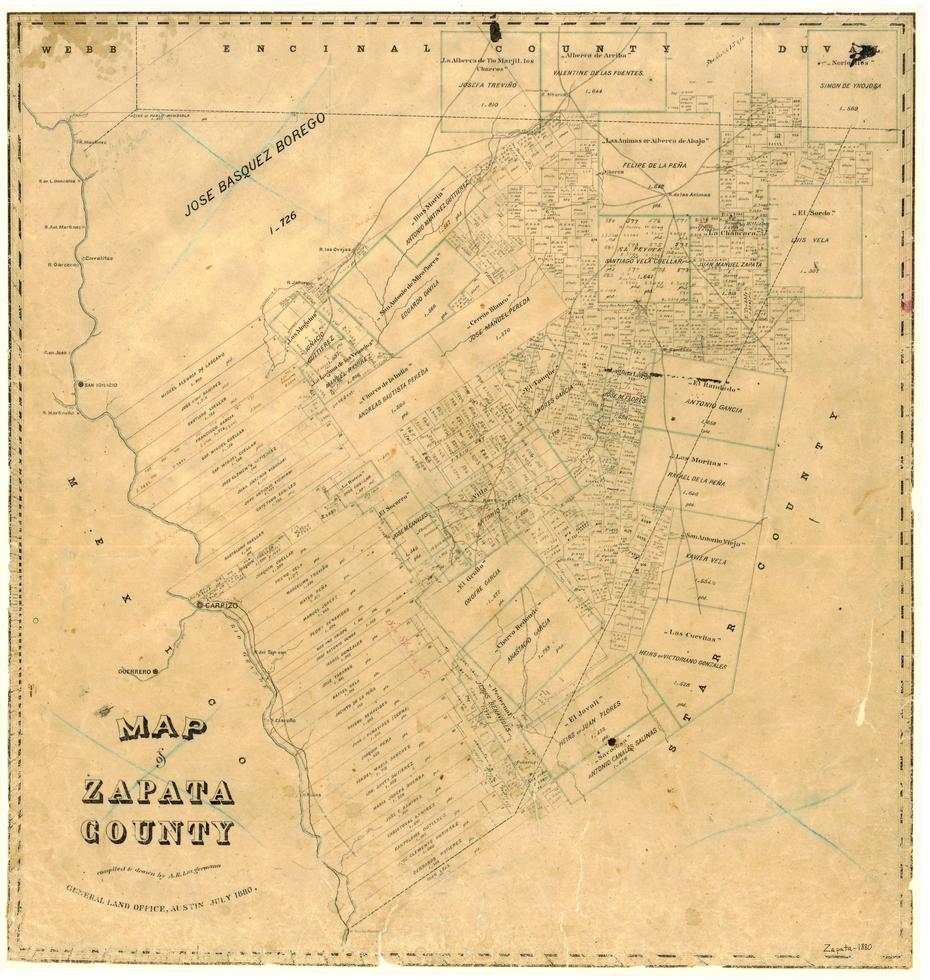
(spelled Cabazos on the Anglo made map below)
After the Treaty of Guadalupe Hidalgo in 1848, which ended the Mexican-American War, the agreement guaranteed that Mexican citizens living in the ceded territories—including the Nueces Strip between the Nueces River and the Rio Grande—would retain ownership of their land grants. In theory, these original landowners were entitled to keep their property under U.S. law. However, in practice, many of these lands were illegally seized or manipulated away from Mexican families through Anglo ran court system, legal loopholes, sales on artificial debt, mass murders, Texas ranger intimidation & forced displacement of original ranch owners, burning of homes, and outright fraud. All known as “Blood Titles”.
Anglo cattle barons such as Richard King, Mifflin Kenedy, and Charles Stillman, started “acquiring” vast tracts of land and building ranching empires. This dispossession marked a profound shift in South Texas, where Hispanic landowners lost ancestral land holdings despite treaty protections, fueling long-standing tensions over land rights and cultural identity.
Join our Tejano Truth movement to get our ancestorial lands back and make Kennedy & King Ranch a Texas Tejano Reservation. Open for all Texians to come see the beauty of Wild Horse Desert.
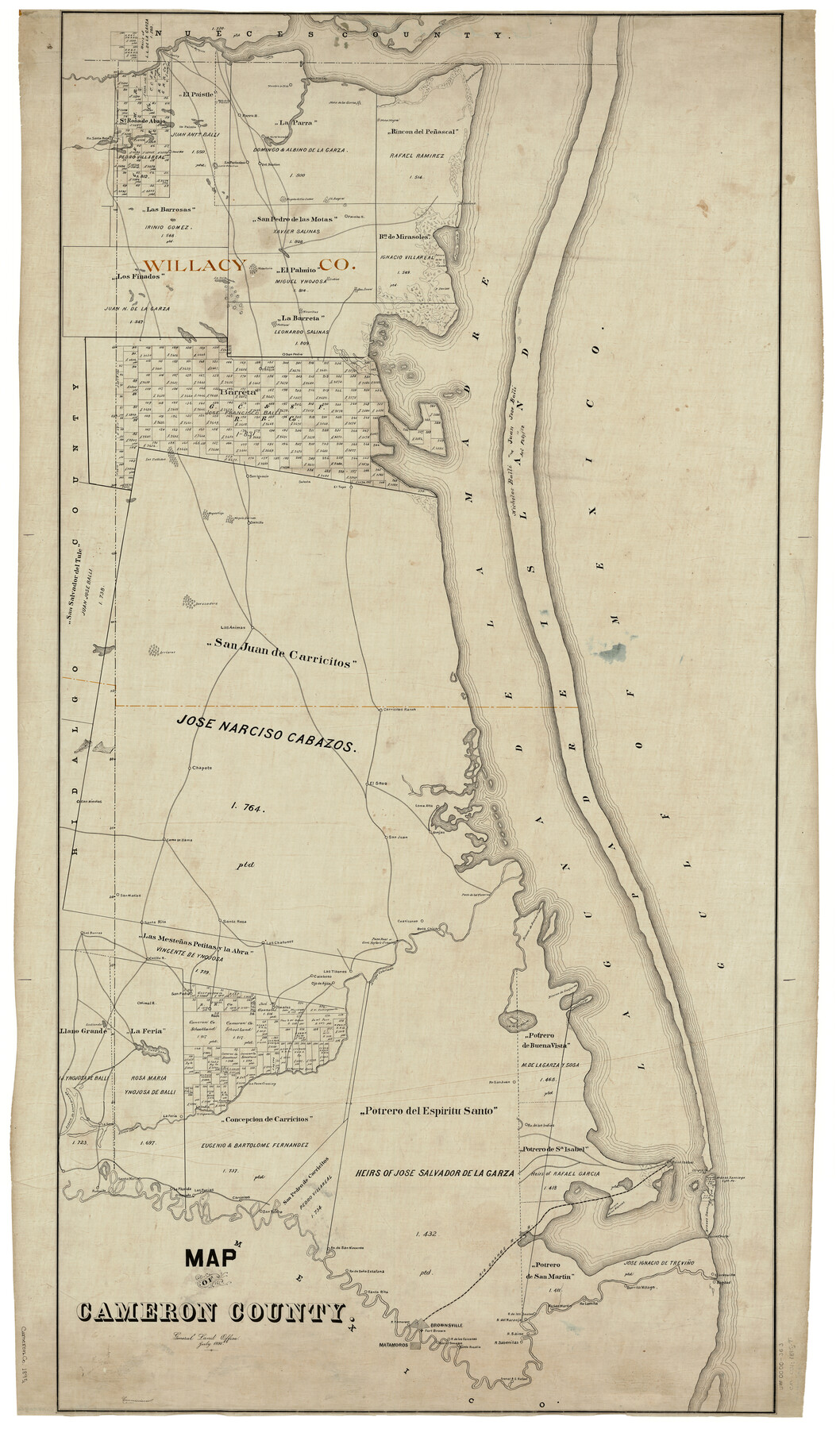
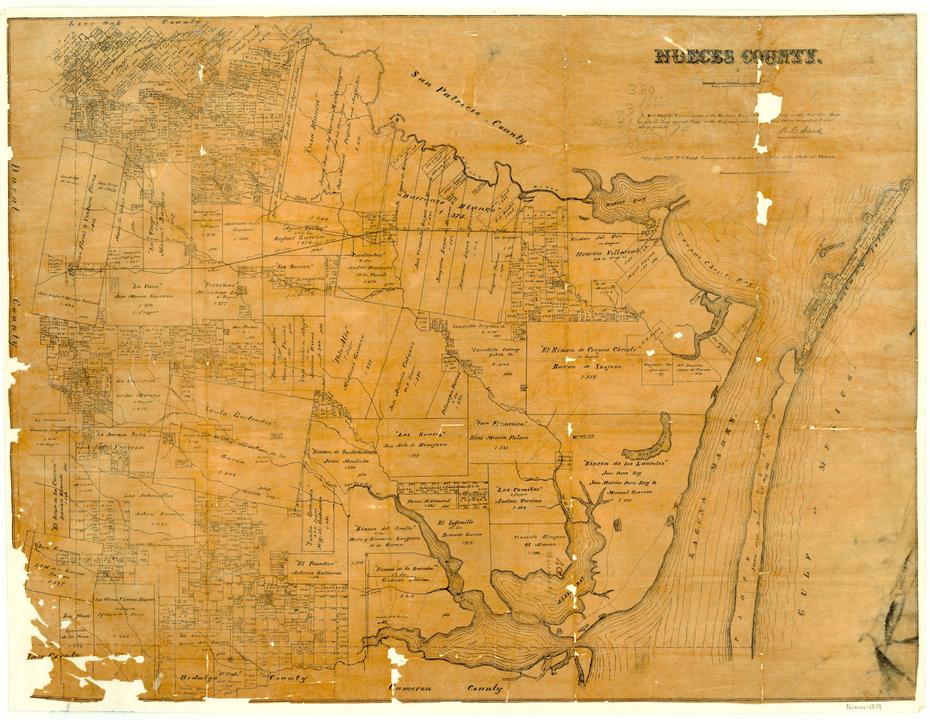
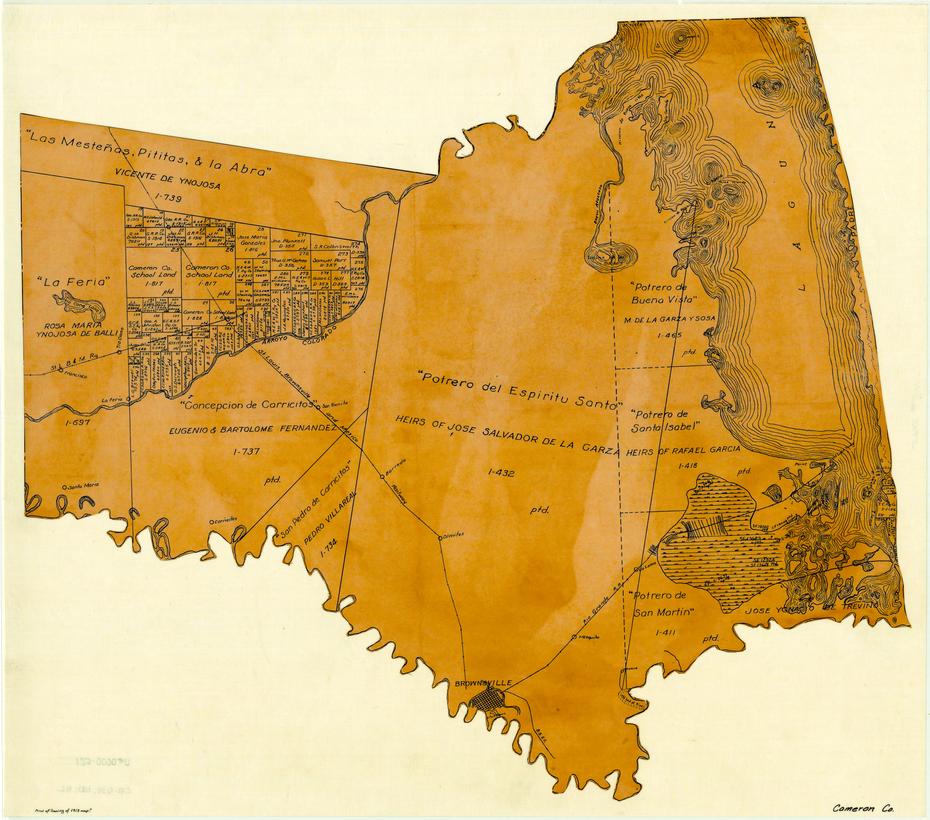
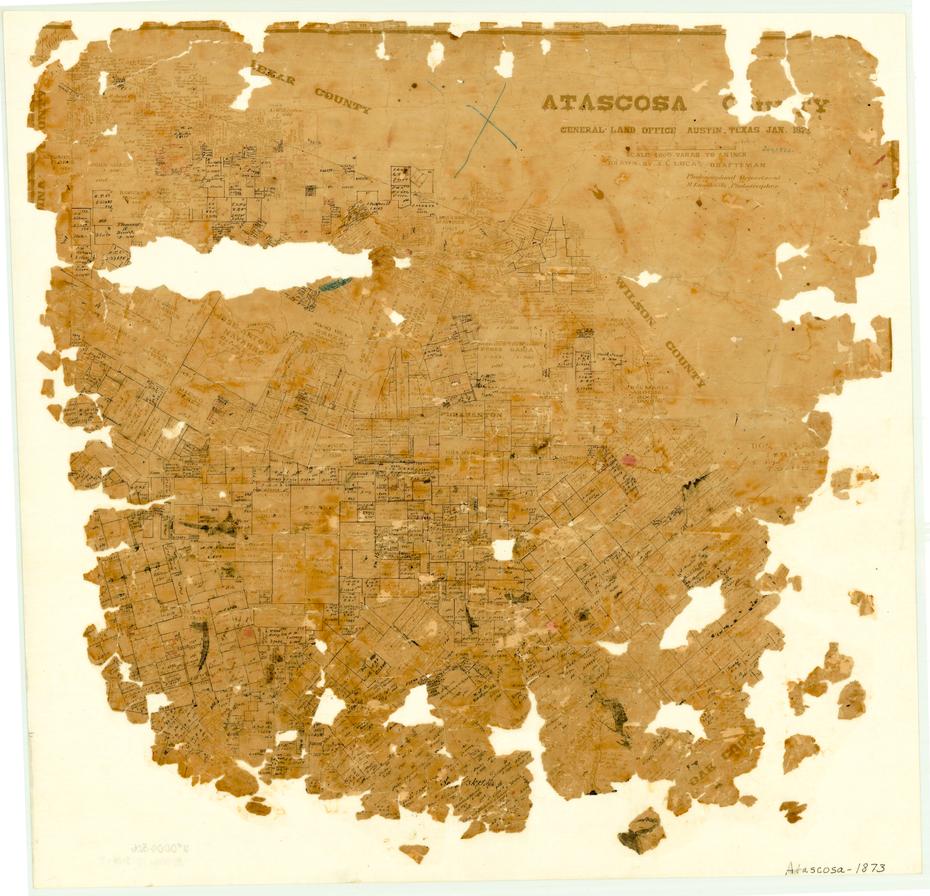
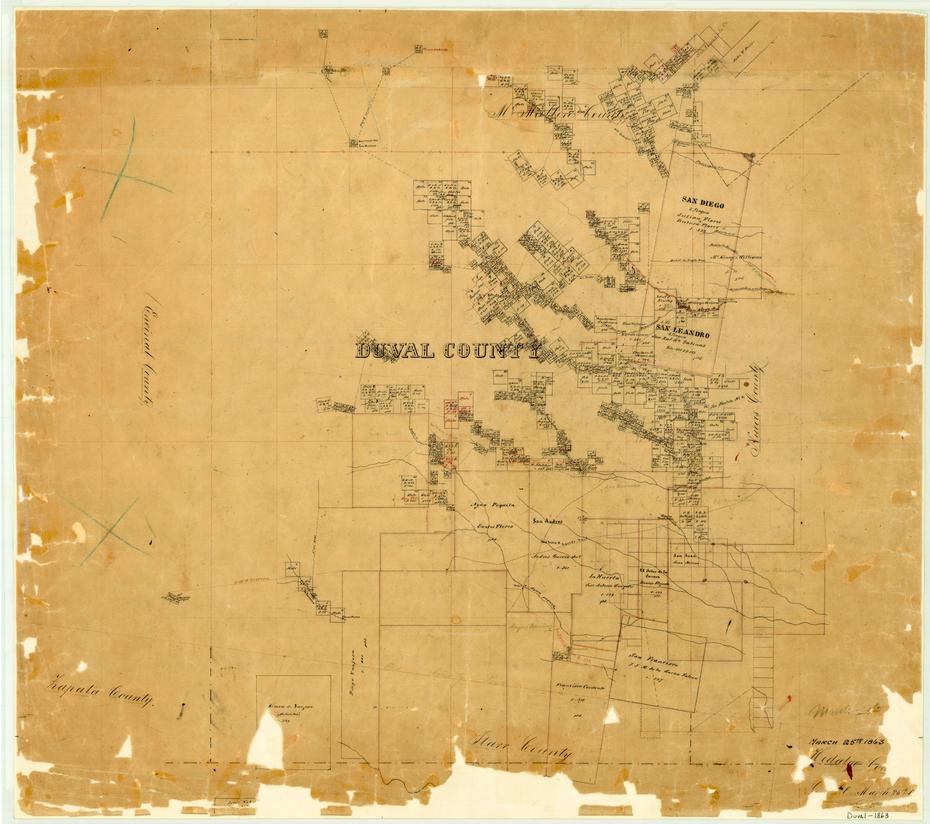
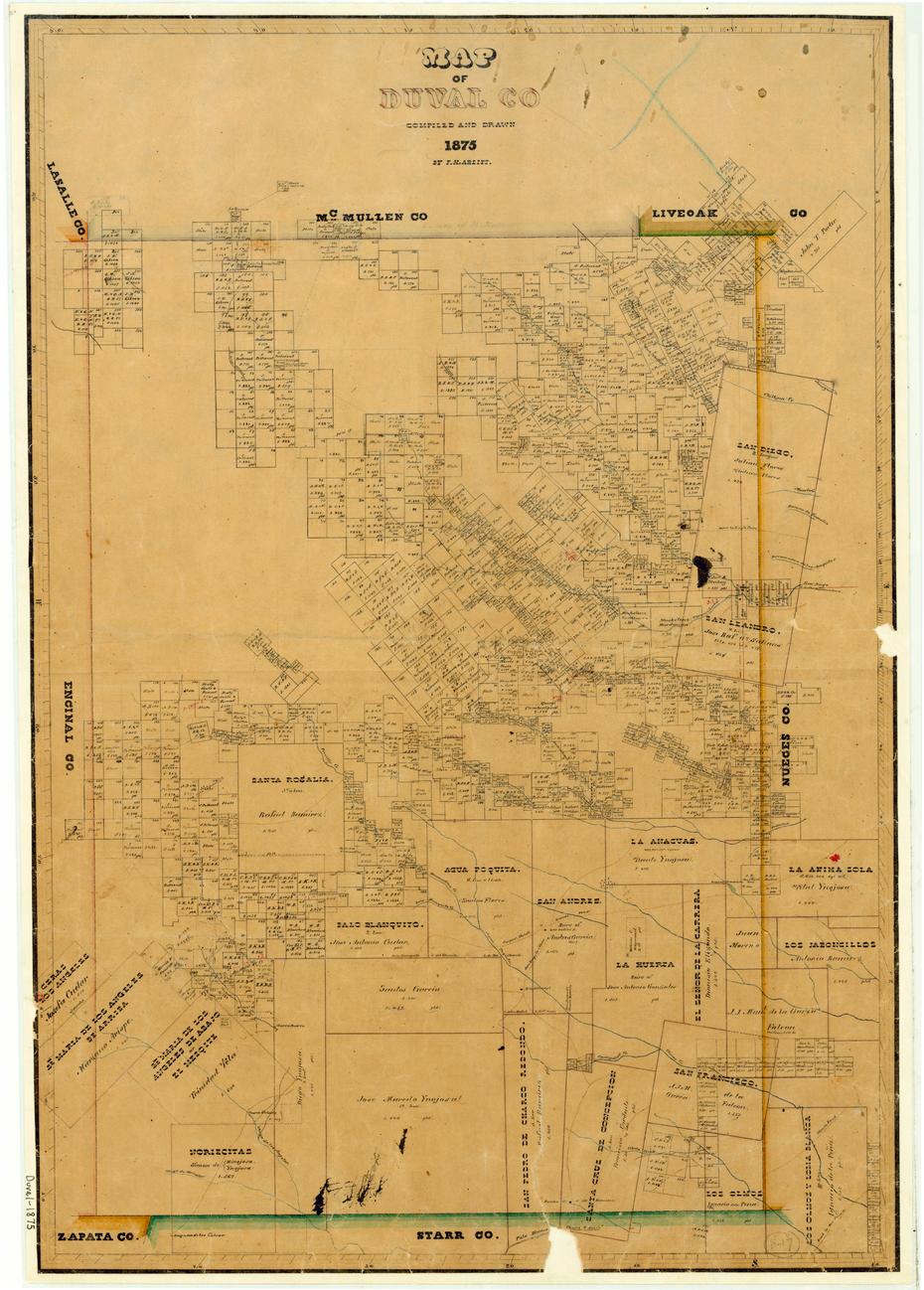
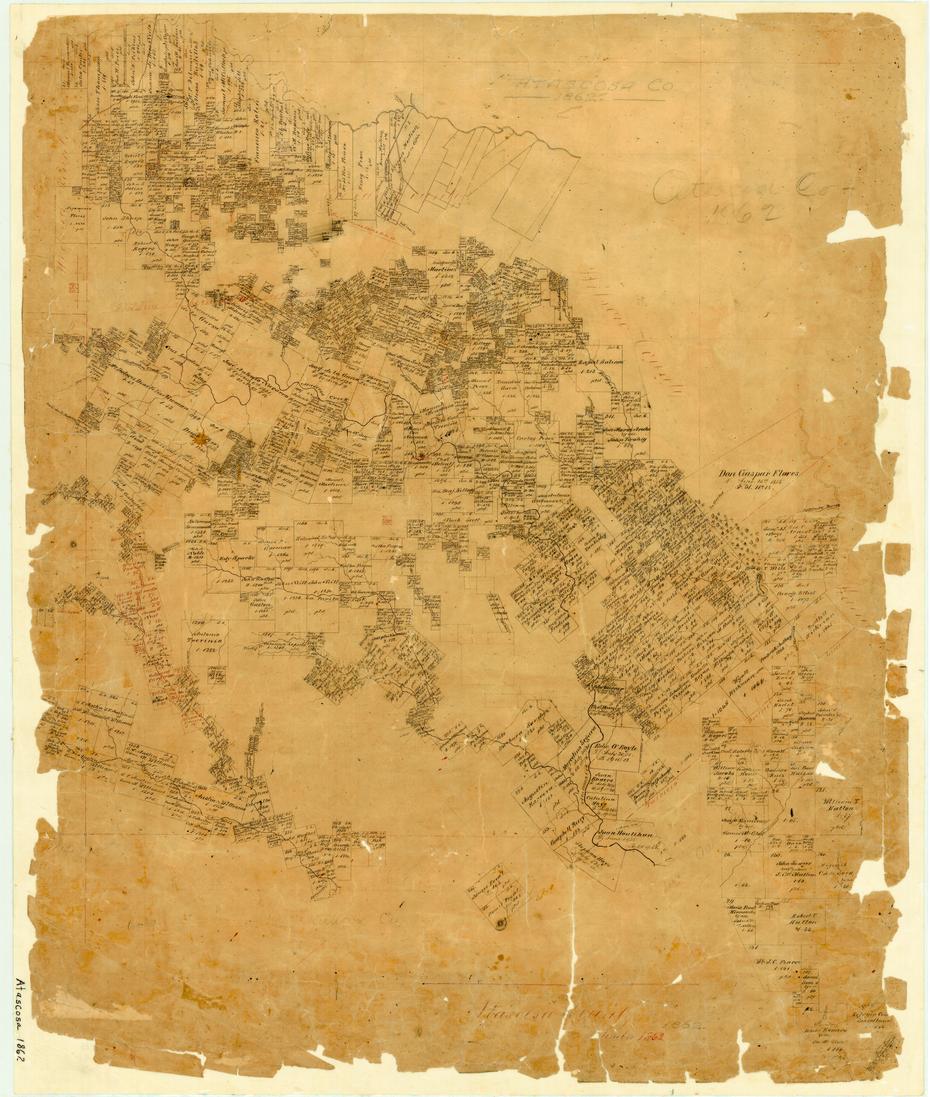
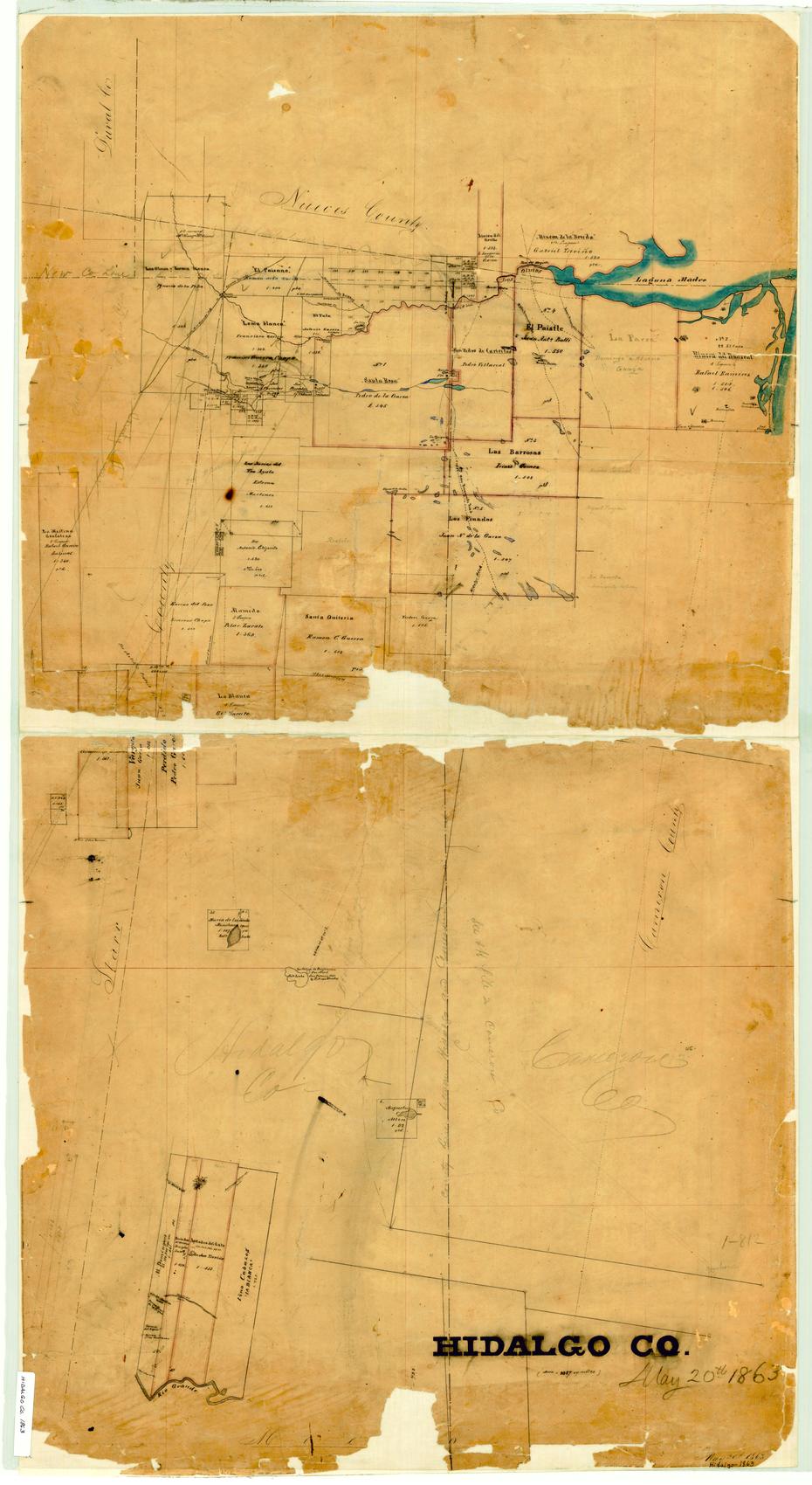
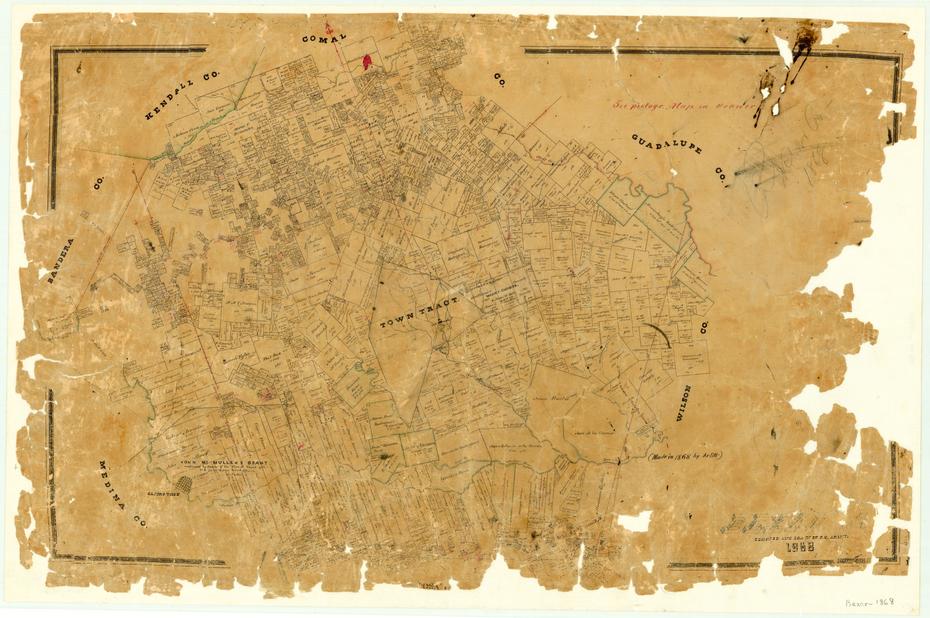
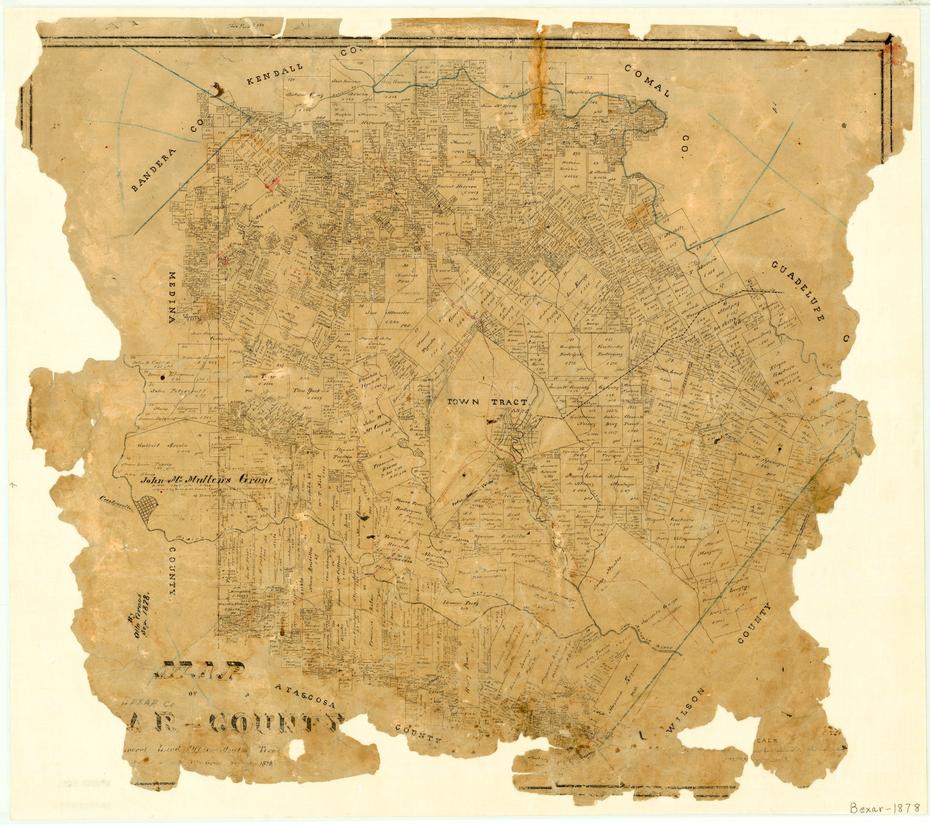
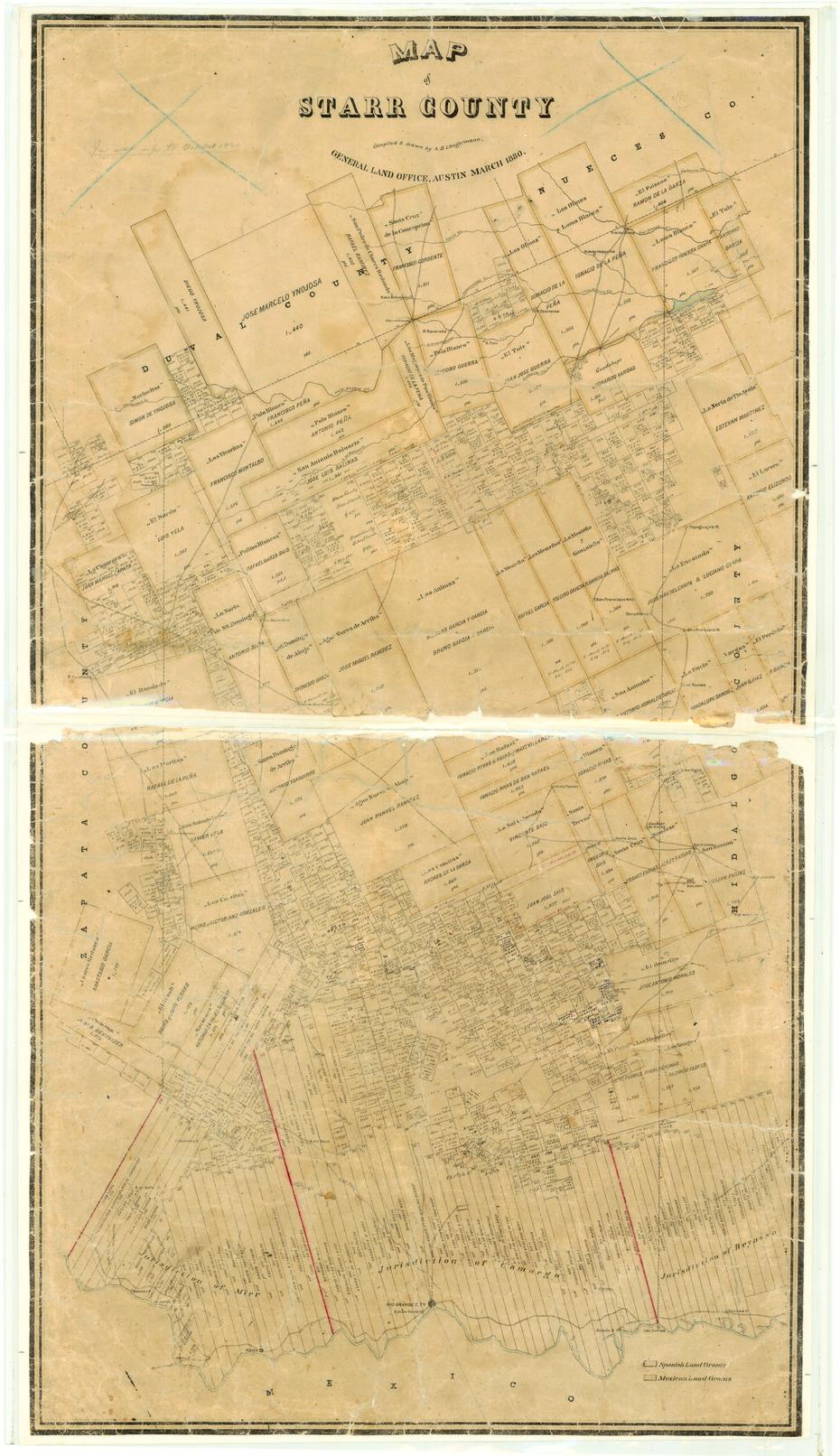
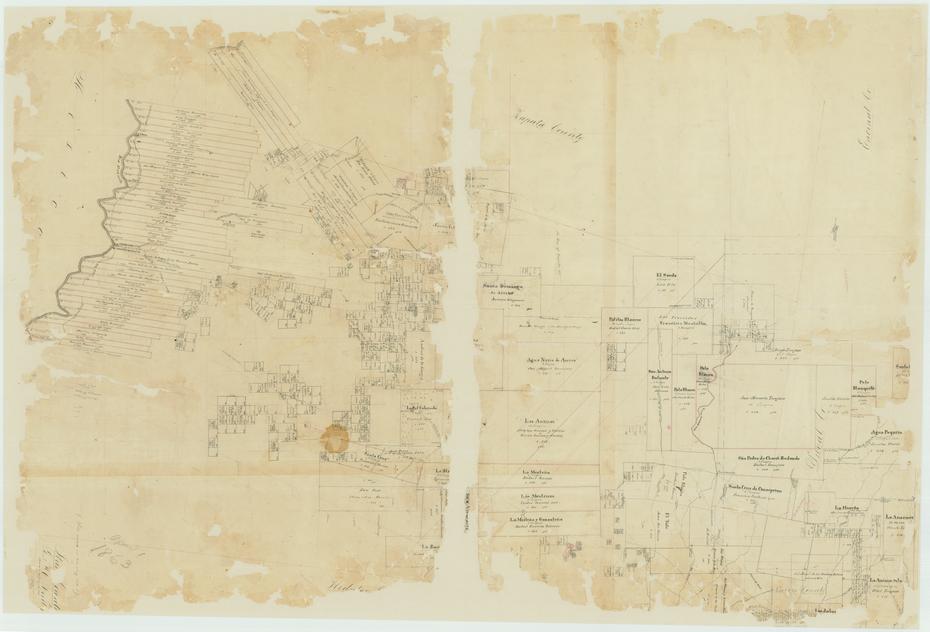
Original Maps of Texas Land Ownership
The land grants were granted by the Kings of Spain and Emperors of Mexico ranging from 1750’s to 1836. This northern region of New Spain was known as New Biscay and The Frontera. The frontier, because the settlers came her to live in the harsh to cultivate and ranch the land and build mission churches to share their faith in the gospel and trades among the native Indians and many Indigenous tribe. The land was passed through six national flags to the original heirs of the grants by Spain, France, Mexico, the Republic of Texas, the Confederate States of America, and the United States. That is, they call it the Six Flags of Texas.
Source of these documents is The Portal to Texas History & Texas General Land Office Archives
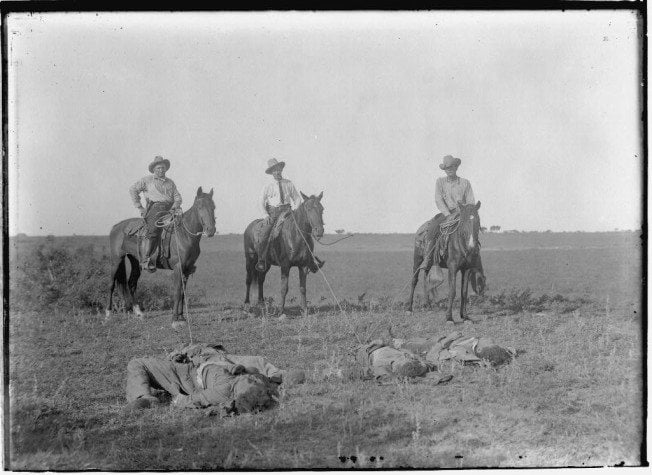
From left to right Ranger captain James Monroe Fox, ranch foreman Tom Tate, and an unidentified rider standing over the bodies of three Mexicans who participated in the King Ranch raid on August 8, 1915. The riders have tied ropes around the corpses, seemingly in preparation to drag the bodies through the desert. This postcard and others like it were sold in drugstores and tobacco shops across South Texas. (Credit: Negative #073-0473, General Photograph Collection, UTSA Special Collections.)
The Kings Bridge – A Texas Rangers Human Hunting Ground
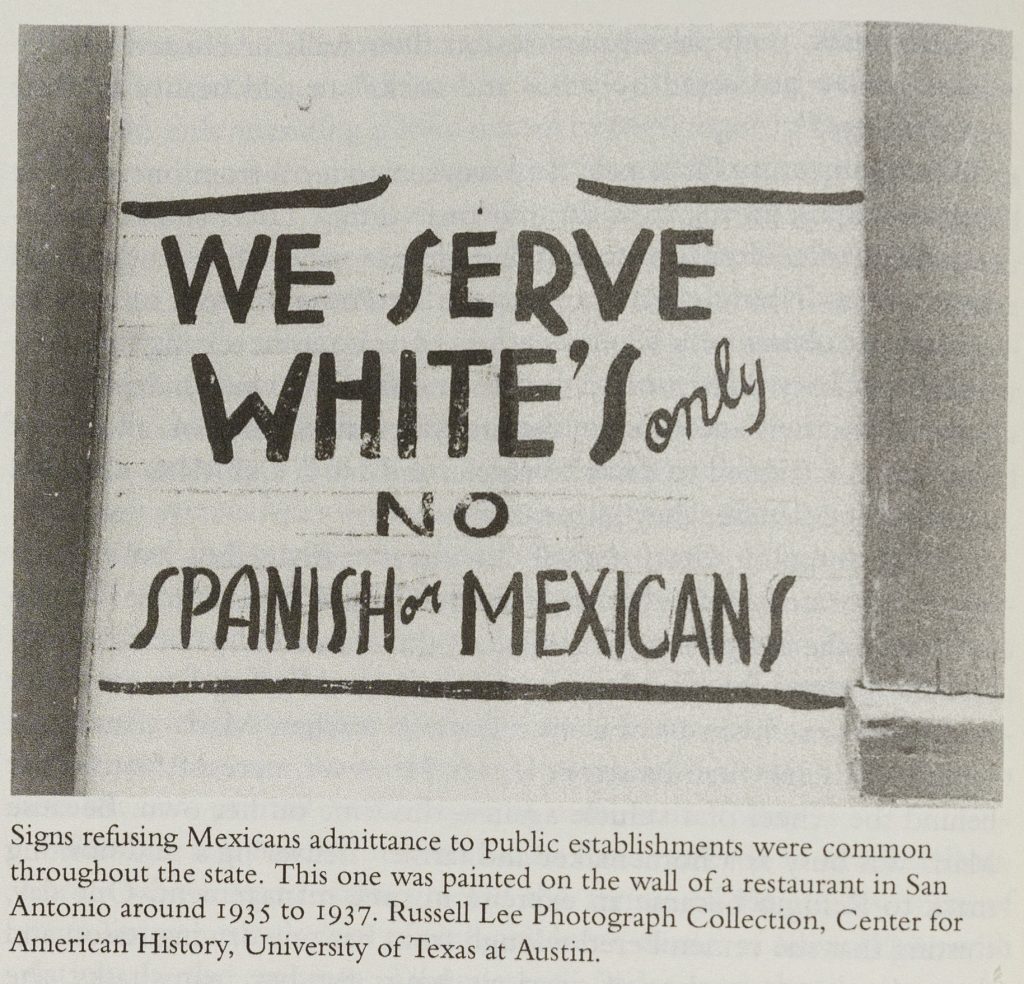
The King Ranch bridge became infamous during the violent era of the Bandit Wars (1915–1919), when tensions between Anglo ranchers and Mexican communities exploded along the Texas-Mexico border. Texas Rangers, acting under the guise of law enforcement, bridges of the King Ranch as ambush sites and hunting grounds to hunt down Mexicans and Tejanos suspected of resisting land dispossession. These killings were part of a broader campaign of intimidation and racial violence, where hundreds—possibly thousands—of Mexican Americans were executed without trial. Some dug their own graves before execution; others drug behind horses for miles; body’s hung from trees became target practice.
The bridge symbolized the brutal enforcement of Anglo dominance in South Texas, as ranching empires like King Ranch and Kennedy Ranch expanded while Mexican landowners and laborers faced terror, displacement, and placement in labor camps.
Source: A Vaquero of the Brush Country by J. Frank Dobie
Lawsuits of South Texas Land Grant Ownership
Our comprehensive suite of professionals caters to a diverse team, ranging from seasoned architects to renowned engineers.
The King Ranch vs Cavazos, 1879
Chapman v. King Ranch
Ballí heirs vs. Kenedy Foundation
Salinas v Stillman, 1851
Cavazos vs. Stillman Heirs
Espiritu Santo Litigation by Garza Heirs
Helga Steiner
Architect
Ivan Lawrence
Project Manager
The Sinking of The Anson & Tejano Titles
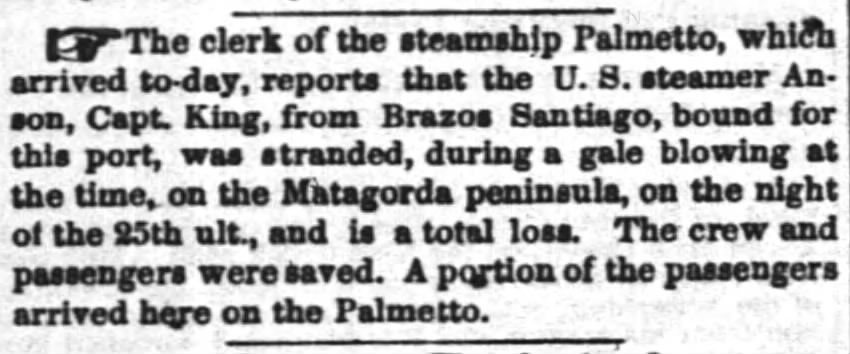
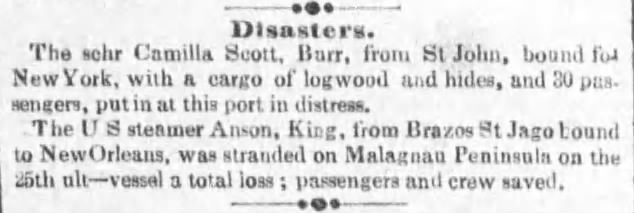
In 1850, the Anson Jones steamship sank off the Texas gulf coast while carrying a trunk filled with the states land grant commission reports including the original Spanish and Mexican land grant titles. The Anson’s Captain: Captain King.
This States commission had been appointed by the State of Texas after the Treaty of Guadalupe Hidalgo (1848) to verify and confirm land grants records. James B. Miller collected the Land Grant documents in Brownsville and was to headed to Austin for his review. “Miller decided to make the voyage from Port Isabel to Galveston on the steamer Anson before going overland to Austin. Two days out, the Anson sank fifteen miles from Matagorda. Miller lost his trunk, the original titles, and about $800 in fees from claimants.”
Leaving an indelible mark on the landscape of tomorrow.
Fallen Heros Defending Their Ancestral Lands
La Matanza & Hora de Sangre (1910–1920)
(“The Massacre” or “The Slaughter”) and the Hora de Sangre (“Hour of Blood”)
A period of anti-Mexican violence in Texas, including massacres and lynchings, and of course land theft. This violence was committed by Anglo-Texan vigilantes, and the Texas Rangers law enforcement. The Esparza Sisters lost serval family members to uninvestigated murders including Carlos Reyes Esparza (1889-1916) and Ernesto Esparza (1895-1921). During this period the Esparza Sisters family when from several thousand acres to a 520 sqft home for a family of seven (7).
Logino Flores
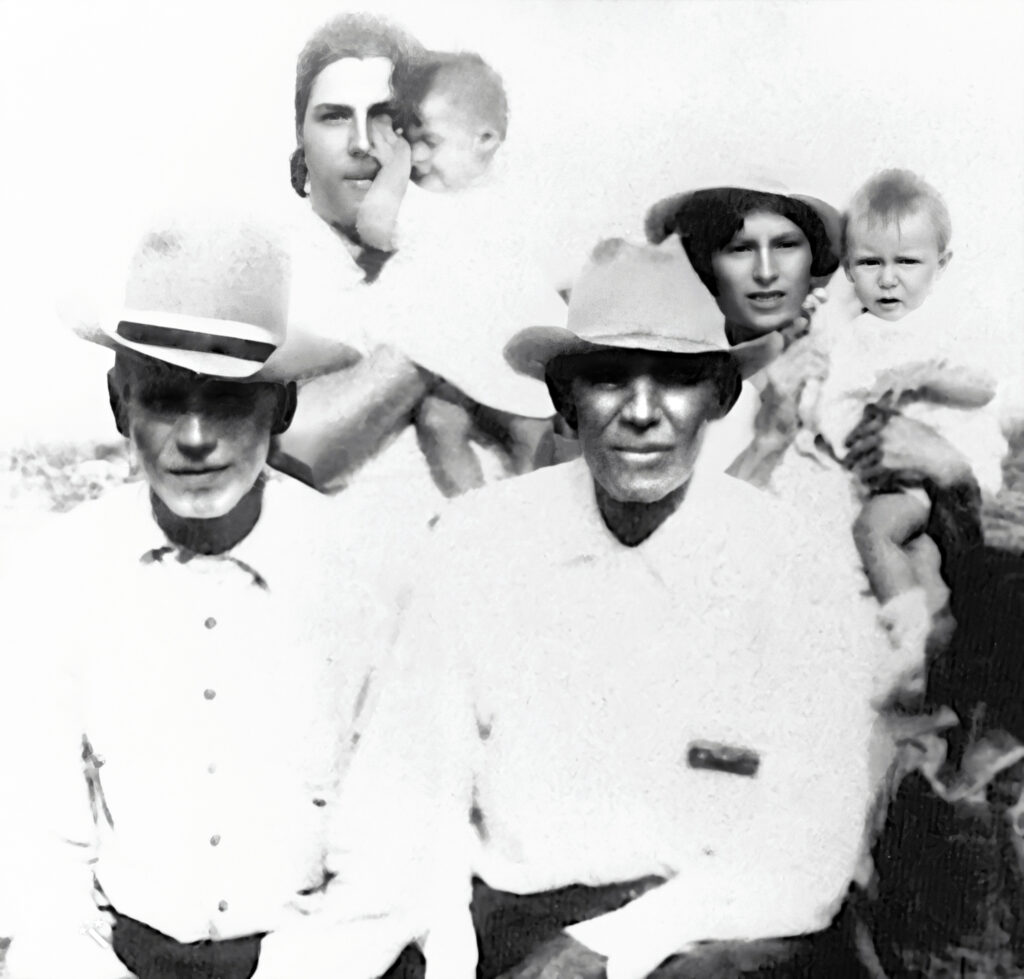
The last known photos of Logino Flores (bottom right). He was murdered by Texas Rangers in Porvenir, leaving his wife Juana Bonilla Flores (top right) to care for her three children. Beside Logino is his son-in-law Rosendo Mesa, Arlinda Valencia’s grandfather, who was the only adult male of the family to survive the massacre as he spent the night out of the village buying supplies.
Thomas Cabrera 1850
Lynched in by sheriff Robert Shears
Flores Brothers of Brownsville
Ivan Lawrence
Project Manager