Parents Lope Ruiz de Esparza I & Ana Díaz de Eguino
Origins: Born in Pamplona, Navarre; descended from noble houses of Esparza and Zariquiegui.
Migration: Arrived in New Spain on February 8, 1593, listed as passenger no. 2,633 in the Catálogo de Pasajeros a Indias.
Marriage: Ana Francisca de Gabadi Navarro y Moctezuma in 1594. Ana is the great-great-granddaughter of Emperor Moctezuma II.
Settlement: Established in Aguascalientes, Nueva Galicia – becoming one of the earliest prominent settlers.
Family: Fathered at least 11 children, who intermarried with families such as Tiscareño, Romo de Vivar, and De la Torre.
Occupations & Social Role of Don Lope Ruiz de Esparza
Occupations: Patriarch Nobleman · Founding Citizen of Aguascalientes · Frontier Rancher & Farmer
Lope Ruiz de Esparza was a frontier rancher-settler (ganadero vecino), combining livestock management of the livestock being imported from Spain, militia duty, civic leadership, and church patronage — the standard occupation and social role of New Spain’s founding patriarchs.
Legal & Civic Status
Vecino de Aguascalientes — Recognized resident and founding citizen
As a vecino fundador, Lope was an officially recognized resident of Aguascalientes, granting him:
- Eligibility for land grants and local offices
- Obligations for community defense and militia service
- Participation in local governance (cabildo affairs)
Being a vecino conferred political standing, legal rights, and social authority.
Economic Role
Estanciero — Ranch holder
Lope managed agricultural and grazing lands, overseeing:
- Imported livestock from Spain (cattle, horses, sheep)
- Family labor and dependent workers
- Food production supporting settlements, missions, and mining zones
On the frontier, ranching was both an economic necessity and a marker of status.
Social Rank
Hombre principal · Hidalgo
Lope was regarded as an hombre principal (“principal man”) — a leading figure within the community — and socially recognized as a hidalgo (Old Christian lineage), even when not formally titled in surviving records.
His authority rested on:
- Lineage and reputation (limpieza de sangre)
- Land control
- Public service and leadership
Patriarch Nobleman (Social–Religious Role)
In colonial New Spain, patriarca was not an ecclesiastical office but a descriptive social role applied to elite laymen who served as:
- Head of a founding family (cabeza de linaje)
- Protector of family, land, and social order
- Moral authority within the community
- Sponsor and supporter of the Catholic Church
This role blended household sovereignty with religious responsibility, especially on the frontier.
Church-Connected Role
Lay Ecclesiastical Patron
Lope acted in close cooperation with the Church by:
- Sponsoring or supporting churches and clergy
- Serving as godfather (padrino) in baptisms
- Enforcing Catholic norms within the settlement
- Raising descendants for religious vocations
This lay-church partnership explains the later presence of priests within the Esparza lineage.
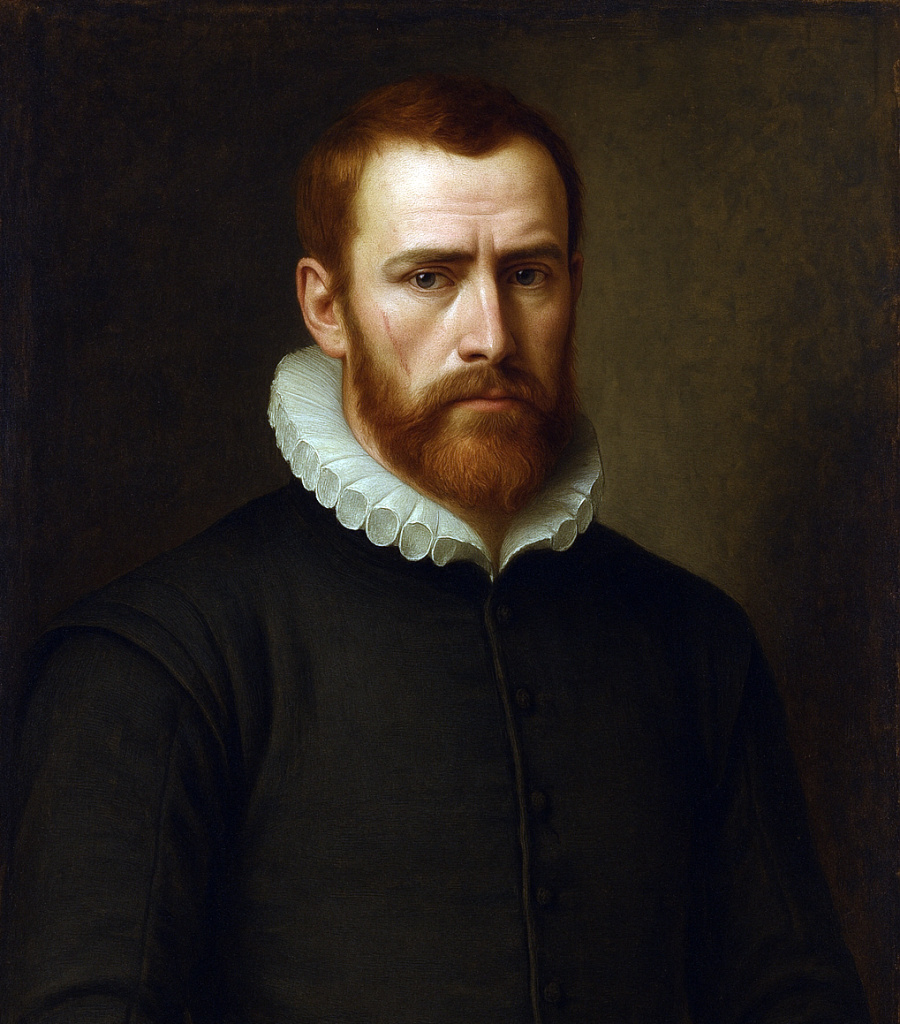
Don Lope Ruiz de Esparza I (1516–1597)
Lineage: Descendant of the Ruiz family of Esparza, tied to the palacios (ancestral noble houses) of Esparza and Zariquiegui, which conferred noble status in Basque, Navarre, Spain
Nobility Lawsuit: In 1535, successfully litigated his pleito de hidalguía (nobility suit) before the court in Pamplona, securing recognition of his family’s lordship over the palaces of Esparza and Zariquiegui
Marriage: Married Ana Díaz de Eguino, from another prominent Basque, Navarrese noble family with ties to the Eguino valley and the Subiza lineage
Family: Father of several children, including Lope Ruiz de Esparza Jr. (1569–1651), who emigrated to New Spain in 1593 and became the founder of the Ruiz de Esparza line in Mexico
Lineage of Don Lope Ruiz de Esparza to the Esparza Sisters
└── G1 — Don Lope Ruiz de Esparza
(c. 1569 – 14 August 1651)
Married Ana Francisca Gabay de Moctezuma Navarro, daughter of Martín Navarro de Gabay and Petronila de Moctezuma.
Early Basque hidalgo settler of Aguascalientes, New Spain.
Ana Francisca was a great-great-granddaughter of Emperor Moctezuma II.
Parents of thirteen children; founders of the Esparza lineage in north-central New Spain.
└── G2 — Cristóbal Gabay Ruiz de Esparza
(1616 – 1672)
Married Isabel Alcaraz Pérez
m. 27 October 1654, Lagos de Moreno, Jalisco
The Esparza line continued through maternal surname traditions common in 17th-century New Spain.
└── G3 — Tomasa Ruiz de Esparza
(b. 1654 – d. unknown)
Married Bartolomé de León García (1646 – 25 July 1671)
m. 14 November 1666, Aguascalientes
Kin to General Alonso de León, Spanish explorer and governor active in Texas during the late 17th century.
└── G4 — Domingo García Esparza
(b. 11 January 1666/67 – d. unknown)
Married (second wife) Gertrudis de los Santos Arispe (b. 24 July 1712 – d. unknown)
m. 28 April 1726, Saltillo, Coahuila
Although born Domingo García, he retained Esparza as his principal surname.
Gertrudis was the daughter of Santiago Arispe and Juana Coy.
Baptismal records for five children of Domingo and Gertrudis are recorded in Saltillo, Coahuila
(LDS Batch C602472, Source 0605066).
└── G5 — Manuel Elijio Arispe Esparza
(b. c. 1730 – d. unknown)
Married María Rita Guajardo (b. c. 1750 – d. unknown), daughter of Francisco Guajardo and María Josefa Saluda Quintanilla
m. 27 April 1775, Lampazos de Naranjo, Nuevo León
Brother Pedro Esparza served as a Catholic priest at San Juan Bautista Church, Lampazos.
Marriage record: LOS Film 06605576.
└── G6 — Pedro José Guajardo Esparza
(1792 – 1879)
Married María Felicidad Galán Villarreal (1794 – 1858), daughter of José María Cayetano Villarreal Farías(1763–1804) and María Encarnación Galán (1755–1821)
m. 6 February 1809, Lampazos, Nuevo León
Descendants of the San Pedro de Carricitos Land Grant.
Founders of La Encantada Ranch, named for the sabina groves along the Rio Grande.
LDS History Center: Batch 601431, Source 605568.
└── G14 — Carlos Villarreal Esparza
(1828 – 1885)
Married Francisca Benavides García (1834 – 1914)
m. 30 January 1850
Descendant of the San Pedro de Carricitos Land Grant.
Rancher, Tejano civil rights leader, and patriarch of the El Ranchito community.
└── G15 — Antonio García Esparza
(1865 – 1935)
Married María Hilaria Cavazos Reyes (1870 – 1945)
m. 24 April 1887
Descendants of the San Juan de Carricitos, Espíritu Santo, and San Pedro de Carricitos land grants.
Union of two major Rio Grande Valley dynasties.
└── G16 — Samuel Reyes Esparza
(1911 – 1980)
Married Ignacia “Nachita” Cortez Rodríguez (1916 – 1996)
Veteran, businessman, and community leader.
Preservers of El Ranchito, Cameron County, Texas.
└── G17 — The Esparza Sisters

Leave a Reply